
Rexroth (Bosch Rexroth) hydraulic motors are widely used in construction machinery, mining equipment, and industrial manufacturing. Whether you are a fleet manager, maintenance engineer, or procurement specialist, understanding the parts system and maintenance essentials is critical. This article takes a practical approach to organizing key information about Rexroth hydraulic motor components.
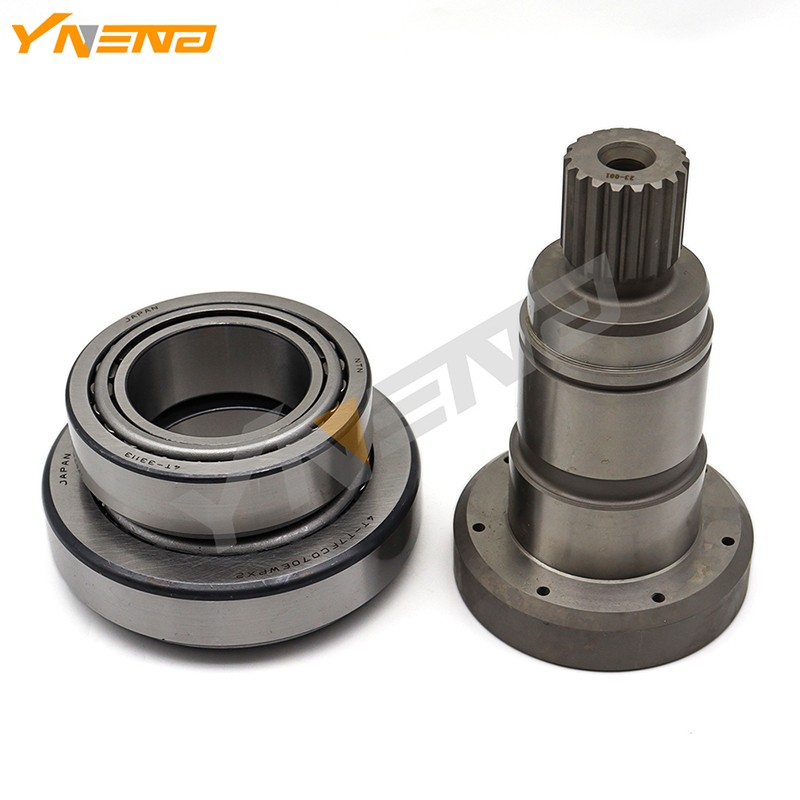
Rexroth hydraulic motors fall into two main categories: axial piston motors and radial piston motors. Parts interchangeability and compatibility vary across different series.
Axial Piston Motors (Common Series):
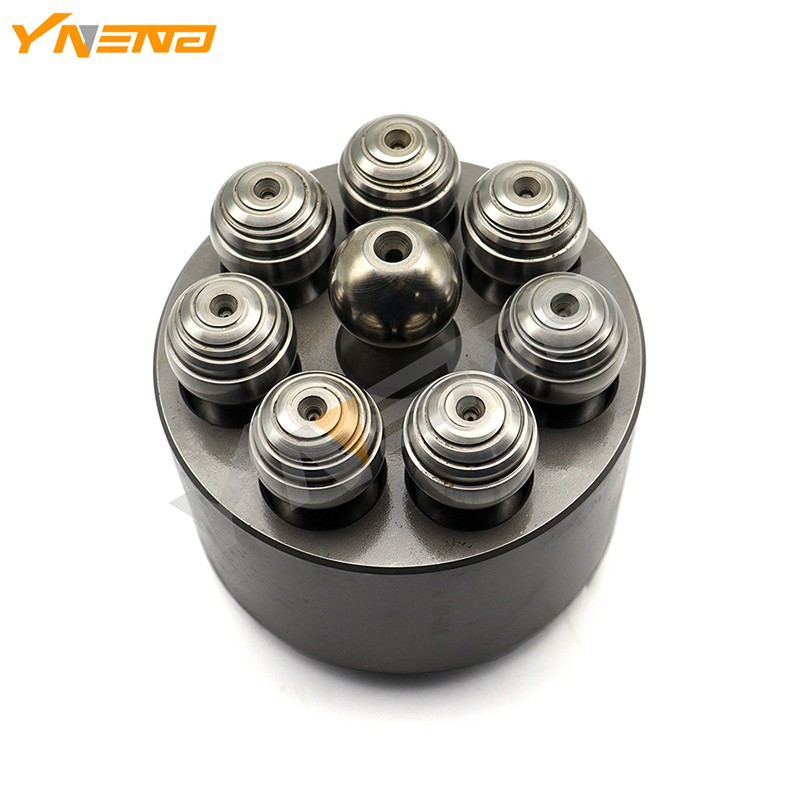
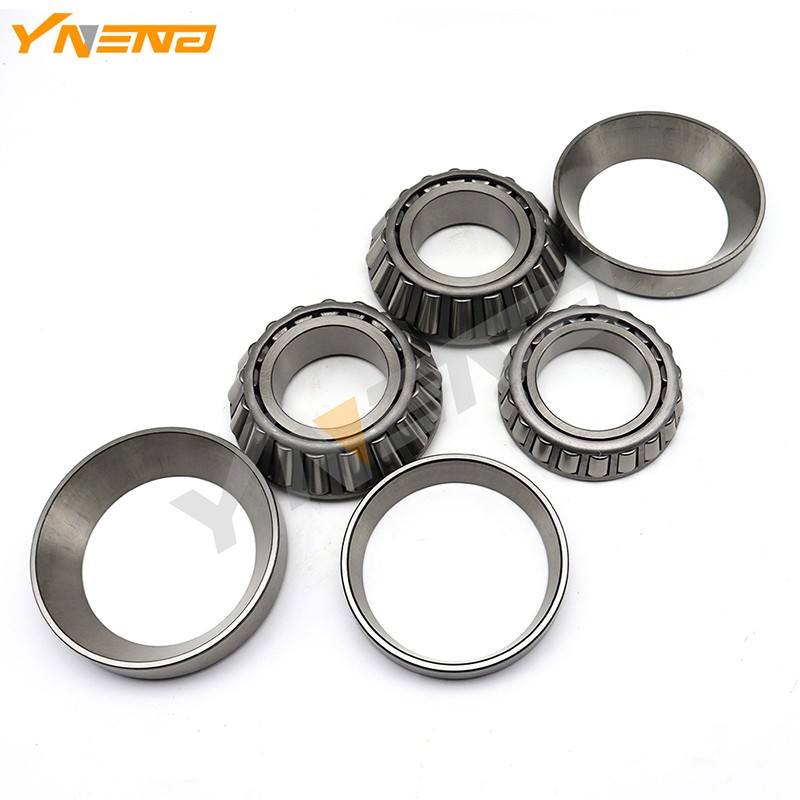
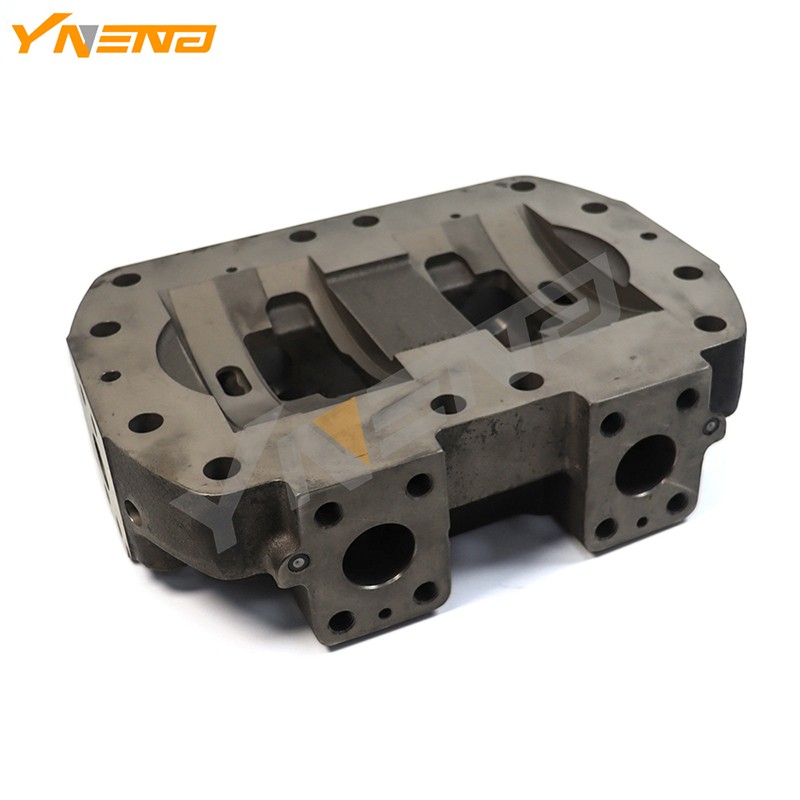
The A6VM series is a widely used variable-displacement motor, covering 11 displacement sizes from 28 to 1000 cc/rev. Core parts for this series include: cylinder block, piston/slipper assembly (7 pieces/set), valve plate, drive shaft, retainer plate, disc spring and center spring, front and rear end covers, bearings, and seal kits.
The A10FM series is a fixed-displacement motor, available in 9 displacement sizes from 10 to 45 cc/rev. Its parts structure is similar to the A6VM, but some dimensions are not interchangeable—always verify the specific model when ordering.
Radial Piston Motors (Common Series):
The MCR series (MCR3, MCR5, MCR10, etc.) is commonly used for travel drives, featuring low-speed high-torque performance. Key parts include the stator, rotor, front/rear covers, and drive shaft, typically made of 42CrMo alloy steel. High-quality aftermarket alternatives with 100% interchangeability are available at competitive prices.
Selection Tip: When ordering parts, you must provide the complete motor type designation (e.g., A6VM107HA1/63W-VZB027A), not just the series name. The type code contains critical information about displacement, control method, and mounting configuration that directly affects parts compatibility.
OEM (Original Equipment Manufacturer) parts are supplied through authorized Bosch Rexroth channels, guaranteeing quality and fitment, with a standard 12-month warranty from the factory.
Aftermarket parts vary widely in quality. High-quality alternatives should meet the following criteria:
Material equivalent to OEM (e.g., cylinder blocks using wear-resistant copper alloys)
Dimensions fully interchangeable with original parts
Proven performance through pressure and efficiency testing
Many premium domestic (Chinese) aftermarket brands now offer performance close to OEM levels with significant cost advantages.
| Component | Normal Condition | Replacement Trigger |
|---|---|---|
| Piston/Slipper Assembly | Clearance (piston to cylinder bore): 0.033 mm | Replace if clearance exceeds 0.045 mm; slipper thickness worn from 7.0 mm to 6.8 mm |
| Valve Plate & Cylinder Face | Surface roughness Ra ≤ 0.4 | If scored or worn to Ra ≥ 3.2, re-grind or replace |
| Friction Plates | Thickness: 2.2 mm | Replace when worn to 2.1 mm (otherwise braking torque insufficient) |
| Seals | Replace as a complete set every time the motor is disassembled | Prevents secondary leaks |
With proper maintenance, Rexroth motors can achieve a service life exceeding 25 years in real-world applications.
Hydraulic fluid is the "lifeblood" of the system. Change intervals should be every 1,000–2,000 operating hours, depending on working conditions and environment. Regularly inspect fluid color and odor—darkening or a burnt smell indicates high temperature or oxidation. Always use Rexroth-recommended fluid grades; mixing different brands may cause additive reactions.
Replacing filters is the most cost-effective protection measure. Change return-line filters every 500–1,000 hours—more frequently in dusty environments. A clogged filter opens the bypass valve, allowing unfiltered oil to enter the motor and accelerate wear.
Normal operating temperature at the case drain should be below 80°C (176°F) . If temperatures rise above this, check the cooling system, oil level in the tank, or possible internal leakage. Monitor inlet and outlet pressures against set values—abnormal fluctuations may indicate valve plate wear or valve block issues.
Case drain flow is a key health indicator. If flow exceeds 500 cm³/min (approx. 0.5 L/min), it suggests excessive internal clearances or seal failure, and the motor should be scheduled for inspection.
| Fault Symptom | Possible Cause | Corrective Action |
|---|---|---|
| Motor does not rotate; pressure reaches relief valve setting | Load exceeds motor torque capacity | Check and reduce load |
| Motor does not rotate; no pressure build-up | No oil supply; control valve not actuated; brake not released | Check pump supply, control valve, and brake release pressure |
| Incorrect rotation direction | Hoses reversed; internal assembly orientation error | Swap supply/return lines or re-assemble correctly |
| Speed below set value | Insufficient oil supply; excessive internal leakage due to high oil temperature | Check pump flow; reduce oil temperature |
| Insufficient braking torque | Worn friction plates; brake piston stuck | Disassemble and inspect; replace friction plates |
| Shaft seal leakage | Excessive case pressure; damaged seal lip; worn shaft journal | Check drain line for blockage; replace shaft seal if necessary |
Rexroth Certified Service Centers offer full-service repair processes, including disassembly, inspection, replacement of worn parts, reassembly, and performance testing on a test bench. They also provide a Service Exchange Program—replacing your failed motor with a factory-remanufactured exchange unit to minimize downtime.
For aging equipment, REMAN (remanufacturing) is a cost-effective alternative that restores used components to "as-new" performance standards, typically priced at a fraction of new equipment cost. This is ideal for extending equipment life without full capital expenditure.
Maintain proper records: Log operating hours, replaced parts, and fault history for each motor.
Prioritize quality on rotating assemblies: Use OEM or certified high-quality aftermarket parts for cylinder blocks, pistons, valve plates, and bearings.
Never compromise on seals and filters: Stick to scheduled replacement intervals—these are low-cost, high-impact preventive measures.
Plan ahead for critical spares: Identify long-lead items and keep essential spare parts in stock to avoid extended downtime.
Adopt proactive maintenance: Reactive repairs are always more expensive when you factor in production losses. A scheduled inspection costs far less than an emergency breakdown.


